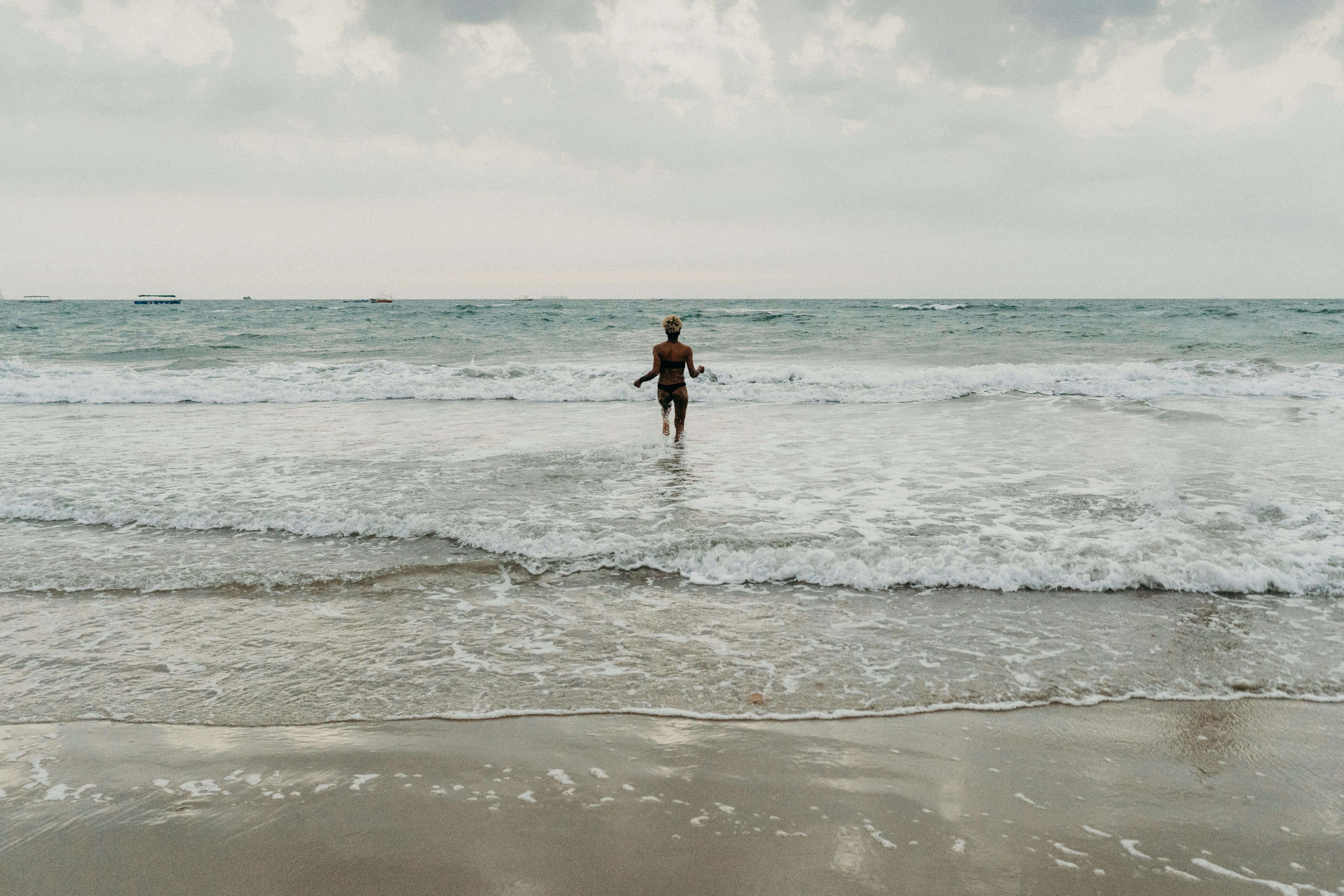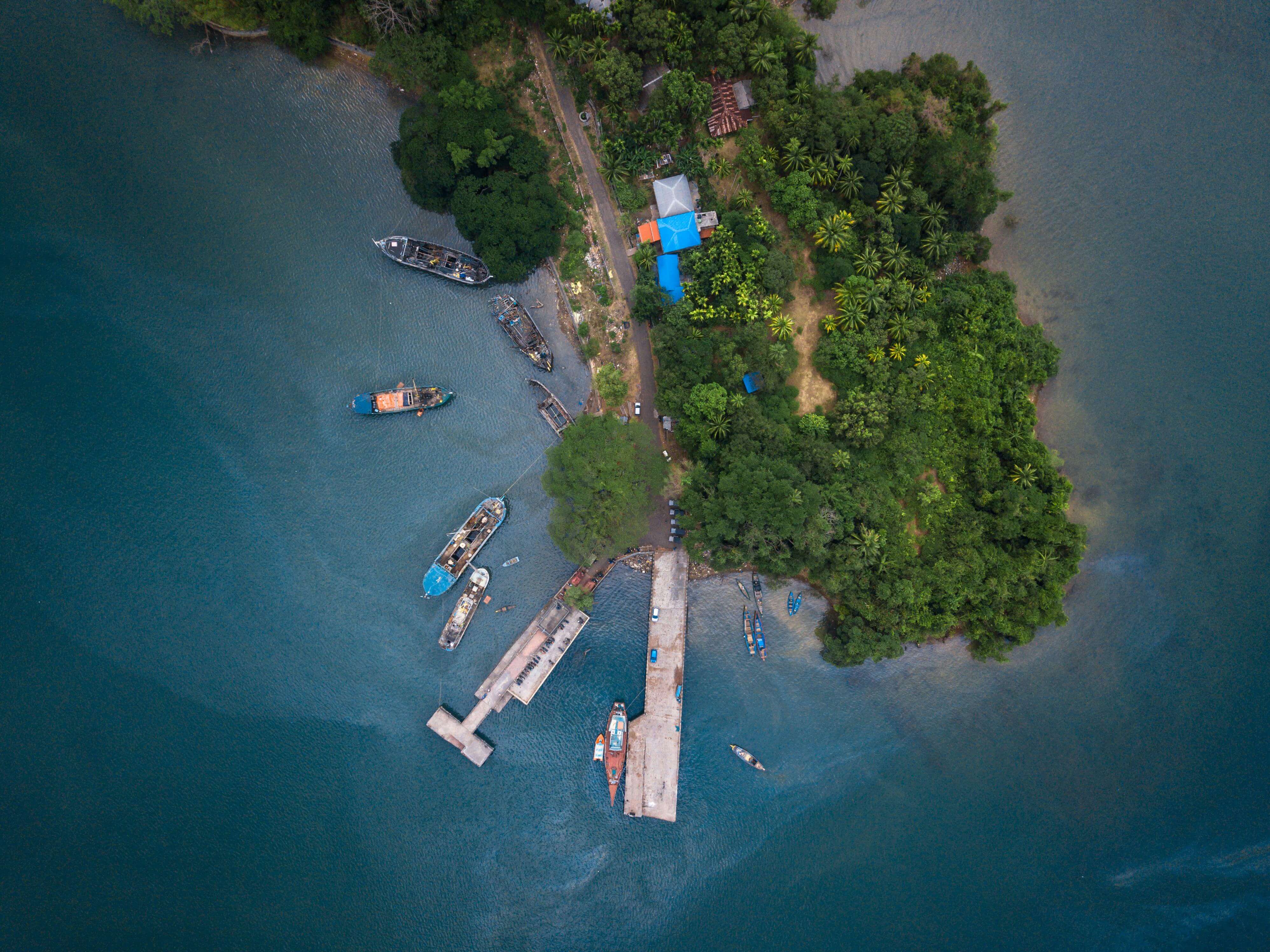

Malaysia, sitting at the lap of Southeast Asia, offers the best of Asia with its multi-cuisine, diverse geography, and probably everything you might have on your travel bucket list. The South China Sea cuts through Malaysia, splitting it into Peninsular Malaysia (bordering Thailand to the north, connected to Singapore in the south, and the Strait of Malacca on its west coast) and East Malaysia (Borneo).
Planning a Malaysia trip is all fun until you sit down to calculate a Malaysia 1-week trip cost from India, tackle the visa requirements, or put together an itinerary that has the best of everything.
We have put together an elaborate Malaysia trip itinerary with a complete 7-Day travel plan for first-time visitors. You don’t just get vague suggestions to spend time in Kuala Lumpur, Cameron Highlands, Penang, and Langkawi. Our extensive time in Malaysia and experience from planning hundreds of Malaysia holidays have helped us curate this detailed itinerary, including the ins and outs, personalised tips, and routes that only locals would know.
Day 1: Kuala Lumpur- Start With the City’s Old and New Sides
If you're landing with luggage or traveling as a family, book a Grab straight from the KLIA2 arrival hall rather than waiting at the airport taxi counter. The ride into the city takes 45-60 minutes depending on traffic, so this is a good time to just settle in rather than rush into sightseeing.
Once you've dropped your bags, ease into Kuala Lumpur rather than diving straight into the malls, as you can save those for a rainy day. Start at Merdeka Square, where the independence declaration actually took place in 1957. The Sultan Abdul Samad Building behind it photographs best in the late morning light before the haze builds up, with its Moorish domes catching the sun.
From there, walk to Masjid Jamek, where non-Muslim visitors can enter outside prayer times, and robes are provided free at the entrance if you're not dressed modestly. Continue into Chinatown and Petaling Street, but duck into the side lanes off the main covered market strip, where the real bargains and the better food stalls hide from the tourist-facing entrance.
Few first-timers know about REXKL, a former 1940s cinema reborn as a creative space with indie cafés, bookshops, and rotating cultural events. It is a genuinely good place to sit, recharge, and dodge the midday heat before your legs give out.
By afternoon, head to the Petronas Twin Towers. Book your Skybridge and Observation Deck tickets online at least a day ahead.
For dinner, skip the mall food courts and head to Kampung Baru, a traditional Malay village that's somehow survived right beside the skyscrapers. Order nasi lemak, satay, or rendang at one of the open-air stalls facing the towers. This view, with the KLCC skyline lit up behind a village of wooden houses, is one locals rarely bother showing visitors. Spend the night in KL to recover before you head further out tomorrow.
Day 2: Kuala Lumpur- Caves, Markets, and a Forest in the City
Get to Batu Caves before 8 am, before the tour buses roll in. The 272-step rainbow staircase gets brutally hot and crowded by mid-morning, and the macaques near the base are bolder early on when there's less food-snatching competition from crowds. Take the LRT to Batu Caves station rather than driving, as parking there turns chaotic fast.
From there, head into town for Chow Kit Market, but time it before 10 am while the wet market section is still in full swing. This is where KL's Malay community does its actual daily shopping, not a tourist-dressed version of one. Walk past the fish and poultry sections toward the dry goods stalls for dried chilies and belacan, and grab breakfast from one of the nasi lemak or roti canai stalls tucked along Jalan Haji Taib rather than the ones facing the main road, which tend to be pricier and less fresh.
If you've still got legs left, Taman Tugu is a nice reset that you can enter from the Bukit Kiara side if you want the quieter canopy walk section rather than the main entrance, which gets busier with joggers by late afternoon. It's one of the few spots where you genuinely forget you're minutes from the Petronas Towers.
Save Thean Hou Temple for after 7 pm. The lantern lighting kicks in gradually as the sky darkens, and the best vantage point is the upper terrace near the Goddess of Mercy statue, looking back toward the KL skyline, which is the shot most visitors miss because they leave right after sunset instead of waiting the extra twenty minutes for full dark.
Day 3- Cameron Highlands- Tea, Mist, and Mountain Air
Leave Kuala Lumpur and drive towards Cameron Highlands. The journey usually takes three to four hours depending on the route and traffic.
As you climb, the temperature drops noticeably. This is the time to slow down and enjoy the view.
Your first major stop should be Mossy Forest around Mount Brinchang, which is part of the Cameron Highlands. Mossy Forest is covered with moss, ferns, and mist. It looks almost like a fantasy world.
After that, visit the BOH Tea Plantation at Sungai Palas. Sit down with a cup of brewed tea and look across the endless green tea slopes.
Do not spend the whole afternoon jumping between crowded strawberry farms; take a quieter route through the surrounding farming areas. Stop at produce stalls and small farms to taste fresh fruit.
If you want something adventurous, look into local jungle trails such as the Dayang Endah/Robinson Waterfall area. Choose a route that matches your fitness level and current trail conditions. Spend the night in Cameron Highlands.
Day 4: Penang- Discover George Town Beyond the Murals
The next day, travel from Cameron Highlands to Penang in the morning. The road trip is four to five hours long, so it is a good idea to leave early. You should stay in or near George Town, where history, food and many cultures meet.
You can start with the street art, but do not spend the whole day just taking pictures of murals. Walk through the lanes, old shophouses and traditional neighbourhoods.
After that, you can explore the Clan Jetties, which're traditional waterfront communities built on stilts over the sea. They are still living communities, not museums so visitors should show respect while walking through the public areas.
For a cultural experience, search for smaller clan houses and heritage buildings that are away from the busiest streets.
In the afternoon, you can go to Hin Bus Depot, a bus depot that has become a creative art space. Depending on the day, you may see exhibitions, murals, independent creators and a weekend market.
You can finish the day at Penang Hill, near sunset if the weather and opening hours permit. If you like nature, The Habitat Penang Hill offers rainforest trails and canopy views for an experience. You can spend your night in Penang.
Day 5: Penang- The Side Most Tourists Miss
On day 5, leave George Town. Head towards Balik Pulau, the peaceful part of the countryside on the western side of Penang Island.
Instead of old buildings and busy streets, you can see rice fields, farms, old villages, plantations, and country roads.
You can check out the area by car, by bike, or with a tour. If you want to learn about the ways, look for things that involve bedak sejuk, a cooling rice powder made the old way.
Eating is another reason to go to Balik Pulau. Depending on what time of year it is, you can try foods, fresh fruit, and nutmeg drinks.
Keep going towards the Tropical Spice Garden near Teluk Bahang. It has many tropical plants. You can see the spices and plants that are used in cooking.
If you have time, you can end the afternoon at Pantai Malindo for a sunset away from the busy beaches.
Day 6: Langkawi – Mangroves, High Views and a Quiet Beach
The next day, take a morning flight or a boat to Langkawi. Once you arrive, go to Kilim Geoforest Park for a boat ride through the mangroves. It is better to go in the morning to see the quiet part of the mangroves.
After that, you can take the Langkawi SkyCab up to the top of the Machinchang Range. Walk across the SkyBridge. The view is great, especially when the sky is clear.
Drive to Tanjung Rhu in the north of Langkawi. The beach is quieter. It has beautiful views of the Andaman Sea. At times, sandbars can also be seen in the water.
For dinner, go to a seafood place near Kuah or Padang Matsirat instead of just staying near the main tourist area.
Day 7: Langkawi – Make Your Choices
If you want something, try a tour to Dayang Bunting Island and use a jet ski. These tours can take you to islands and include stops at Dayang Bunting, Singa Besar and Beras Basah.
You can go to Pulau Tuba, an island that is about 5 km from the main island of Langkawi. You can ride a bike. Take local transport to see the village roads, rice fields, fishing areas, and countryside. It feels much slower and more real than the places where tourists go.
If you want to relax, you can visit the Durian Perangin Waterfall and spend time at the resort or just enjoy the beach. You can end your trip with a sunset cruise if your flight time allows. Explore our Langkawi Tour Packages and plan a relaxing island escape filled with beaches, nature, and exciting adventures.
What to Pack for Malaysia?
Malaysia is warm and humid in the lowland areas. Lightweight and quick-drying clothes are useful for Kuala Lumpur, Penang, and Langkawi. A light rain jacket or small umbrella is also worth carrying because tropical showers can arrive suddenly.
For Cameron Highlands, you should pack one layer such as a fleece or light jacket. Evenings can feel noticeably cooler than the lowlands.
If you visit Batu Caves, temples or mosques, you must carry clothing that covers shoulders and knees.
Comfortable footwear is important because you will walk through heritage streets, markets, trails and viewpoints. Slip‑on shoes or sandals are convenient because footwear must be removed before entering religious places.
For activities, add mosquito repellent, sunscreen, a reusable water bottle and a portable charger to your bag. A small dry bag is useful for mangrove tours, boat trips and island activities in Langkawi.
Cultural Etiquette to Know Before You Go
Malaysia is a country, and a little cultural awareness can make your trip much smoother.
Remove your shoes: Take off your shoes before entering mosques, temples and many homes. If you see a row of shoes near the entrance, that is usually your cue.
Dress respectfully: Wear appropriate clothes when visiting religious places. Mosques may provide coverings at the entrance, but carrying a scarf or shawl is still useful.
Use your hand: In Malay and Indian customs, the right hand is generally preferred for eating and for giving or receiving things.
Respect communities: Places such as the Clan Jetties and kampung villages are lived‑in communities rather than open‑air museums. Stay on paths, ask before photographing people or private homes, and keep noise levels low.
Be mindful during Ramadan: If your trip falls during Ramadan, eating, drinking or smoking openly during fasting hours may be considered discourteous in some Malay‑majority areas.
Respect spaces: Malaysia brings Malay, Chinese, and Indian traditions together. Etiquette can vary between a mosque, Chinese temple, Hindu temple, and local community. Follow posted instructions and observe what locals are doing.
Tipping: Tipping is not generally expected in Malaysia in the way it is in some countries. Restaurants may already add a service charge, while rounding up or leaving an extra for particularly good service is appreciated but not mandatory.
Conclusion
A 7‑day Malaysia trip can offer a little of everything— city streets, cool mountain air, delicious food, local culture, pretty beaches and fun island adventures. From the charm of Kuala Lumpur and Penang to the peaceful scenery of Cameron Highlands and Langkawi, each stop offers something new.
With Dream Travel Yaari, you can plan your Malaysia holiday around the experiences, whether that means exploring corners, enjoying nature, tasting local food or simply spending a few quiet days by the beach.
So pack your bags, keep your plans flexible, and get ready to make memories in Malaysia.
Frequently asked questions
Is 7 days enough for a Malaysia trip?+
Yes, 7 days can be enough for a trip to Malaysia if the route is planned well. This itinerary covers Kuala Lumpur, Cameron Highlands, Penang and Langkawi, giving travellers a mix of city life, nature, food, culture and beaches.
What are the best places to visit in Malaysia in 7 days?+
Kuala Lumpur, Cameron Highlands, Penang and Langkawi are places to include in a 7?day route. The itinerary combines attractions with quieter experiences such as Balik Pulau, Taman Tugu, Pulau Tuba and local villages.
What is the best time to visit Malaysia?+
The best time to visit Malaysia depends on which coast or region you plan to visit. The best time to visit the West Coast (Penang, Langkawi, Kuala Lumpur) is from December to March, for East Coast (Perhentian Islands, Redang, Tioman) is from April to October; and Malaysian Borneo (Sabah and Sarawak) is from June to September.
What should be packed for a 7?day Malaysia trip?+
Light and quick?dry clothes are useful for Kuala Lumpur, Penang and Langkawi. A light jacket is helpful for Cameron Highlands. Comfortable shoes, sunscreen, repellent, a rain jacket or umbrella, and a small dry bag are also useful.
Is Malaysia good for first?time travellers?+
Yes, Malaysia can be a destination for first?time travellers, especially with a well?planned route. This itinerary mixes sightseeing with food, nature, culture, adventure, and free time, without packing every day with attractions.

Written by
Rahul Ahuja
Rahul Ahuja is the man behind Dream Travel Yaari, for whom travel isn’t just business, it’s a passion. The zeal to guide others to discover places that once took his breath away has been a major push for him to embark upon his entrepreneurial journey with DTY. For him, every traveler is not just a client but a companion in creating stories worth remembering. Having spent years in the tour and travel business, he has been dedicated to making travel stress-free, deeply fulfilling, and filled with moments that linger long after the trip ends.